ISLANDS IN THE MIST
THE AZORES
Wine & Travel Week Pre-Tour 2026

Quite incredible, the number of Travellers who appear to have never heard of The Azores Islands, despite being just a six+ hour flight for example, from the United States and only 2-3 hours from mainland Portugal. Once there, Island-Hopping is simple – whether by plane or by boat - with a total of nine islands to discover. Each island has its’ own charm, traditions, particular distinction - and weather. The Archipelago is the result of a series of underwater volcanic eruptions from around 8-10 million years ago, with some volcanoes still active today.

Pico Island is known as the Grey Island - for its’ WINES and for avid hikers, intent on reaching the summit of Mount Pico. Grey, due to the lava deposits known as Lajidos or Terras de biscoito, which dot the entire island landscape. Also grey from above and unfortunately, all we saw of Pico Island from the plane was UNDER COVER.

São Miguel is the largest of the islands and home to more than half of the Azorean population. Whether exploring on your own or prefer to have a guide, I do suggest you check out TRILHOS DA NATUREZA. Pedro Rodrigues and his trusty team are based on and specialised in São Miguel Island and Hugo - our Tour Guide there – not only enthusiastic, but also highly knowledgeable.

Terceira was the third island to be discovered by Portuguese explorers. It`s known today as the Purple (or according to the locals – the Party -) Island and named after the array of heather-covered hills. On Terceira we were introduced to Alcatra.
One could claim, that a visit to the Islands in February is not the brightest of ideas, but there`s no excuse for not being weather-prepared clothes-wise. Besides, whatever the season, you are likely to experience Spring, Summer, Autumn and Winter all in one day. Flying into Terceira expecting to then fly on to Pico Island, we were faced with our first hurdle – extreme wind conditions. The runway on Pico Island was constructed from east to west, making take-off and landing risky business, particularly when hit by southerly gusts. Arriving at Terceira, it was blowing a howling Gale and yes, you`ve guessed it – one from the south!

Obviously experienced in such matters - SATA Air, who managed the situation in a relaxed but professional manner, delayed the flight by 24 hours and proceeded to hand-out bed, board, and transfer vouchers to all in need.

▪ LESSONS LEARNT: if ever in the same predicament, be sure to get to the head of that Voucher-Hand-Out-Queue fast!
The howling Gales meant that instead of navigating Pico Island, we spent the rest of the day and that night on Terceira Island. SATA`s choice of hotels - Hotel Caracol - was not only comfortable, but had breathtaking views.
With a pocket full of vouchers, we were soon on our way to a late lunch appointment at QUINTA DO MARTELO, where despite the short notice, we received a hearty welcome and equally hearty regional fayre. And as you can see, we were still in high spirits..

ISLAND LIFE
Quinta do Martelo represents the epitome of Island Life, having re-created centuries-old rural living on Terceira Island. The stone buildings and overall fixtures and fittings boast a never-ending and authentic collection of items depicting more past, than present. Here, customs and tradition are celebrated throughout. The farm is situated just a few kilometres from the UNESCO World Heritage town of Angra do Heroísmohas - the island`s main fishing port - and within a stone`s throw of the seaside resort of Negrito.

The team at Ti Manel da Quinta - with Monica in service and Manuela – who`s been in the kitchen for the past 26 years (not literally) - produce delicious meals using home-grown produce. Whether vegetables and fruit, eggs or chickens, the restaurant appears to be one of the best kept secrets on the island.

THE FARM
Initiated by Gilberto Vieira – the farm project was launched 35 years ago. Gilberto is a Tourism Sector veteran, also President of Casas Açorianas. The Association of Tourism in Rural Areas is responsible for the promotion of their fifty+ members` accommodation across all nine islands.
Gilberto`s idea of involving the entire community of São Mateus da Calheta - by creating a “Tourist Utility” reflective of Azorean Life as a whole - was born through simply listening to his guests, rather than of an inner vocation.
An old and abandoned family farm set the stage. In the main building, a Tavern soon followed the original Tasca or Loja, to eventually develop into the popular first floor restaurant we visited that day.
Once an important supplier to the Azorean Orange Trade, the Quinta`s name derives an 18th century door knocker – a Martelo – still adorning the gates today. 35 years on, the Mercearia time-capsule – a small store where passing visitors could buy local produce or enjoy food and drinks - is today, an Aladdin`s Cave with an array of well-used, handcrafted tools. Also, enough wellington boots for a family of ten.

Leaving the counter behind - the hats, the whistles, pots, pans, and potties - your imagination may be forgiven for catching an echo of jovial barter from years gone by. Beyond the swinging saloon doors and up a narrow wooden staircase, you then enter the living room and with it –


Decades ago, rural houses on Terceira Island had three important rooms: a kitchen, a central “living” area and a bedroom and with our backs to the bedstead, we sat down for lunch.
DIMASADEGA`s Costa Norte Tinto is a smooth blend of Grenache, Seibel, Caladoc, and Tinta Negra, wine born of Terceira`s rich volcanic soils on the north Atlantic coast and served with the meal.
Also on offer - seldom encountered Kangen Water. Produced onsite with a certified alkaline ionizer and water filter, this water is popular (not only) in Japan and to restore the body to its original, alkaline state.
All dishes at Ti Manel da Quinta are based on traditional recipes - those which have stood the test of time and here, TIME is what you should bring with you and enjoy..
As a starter we chose A Sopas do Dia de Legumes biológicas da Quinta or Soup of the day –

a potpourri of piping hot fresh vegetables, closely followed by the Quinta`s speciality: Alcatra.
Monica recommended we try one beef and one chicken Alcatra, although pork, rabbit or bean are also on the menu. The ingredients – meat, potatoes, vegetables, garlic, spices and onions - are first marinated, then slow cooked in an unglazed clay pot for up to 24 hours. The result – an aromatically sweet, mouthwatering casserole full of Island flavours.
Served with sweet bread and Salada de Verduras biológicas da Quinta, this warming and substantial meal was just what the doctor ordered before having to set sail. Not to be beaten, we politely accepted a Pudim de Mel da Quinta – Honey Pudding – and so should you!
▪ LESSONS LEARNT: have trust in the Islanders.


AÇORES GENUÍNO
Quinta do Martelo is not only a reliable address for food. Some of the property`s old dwellings have been transformed into simple, yet comfortable accommodation and are available at an extremely competitive price. For those who can`t do without, Wi-Fi is available on site, as are plenty more meaningful activities.

Mini-Golf, Tennis, and a swimming pool are among the list of “can-do`s,” but there`s also the opportunity of experiencing local crafts hands-on (see legend below). Quinta do Martelo is more than a “Tourist Utility” (an unfortunate term in my opinion). Staying here, you can disconnect from the outside world, re-connect to your inner-self and nature, whilst experiencing full island immersion.

Our visit to Quinta do Martelo left inspiring and lasting impressions and a yearning desire to return. Thankyou Gilberto, for your generous invitation.
For more information, please contact the Team at Quinta do Martelo Canada do Martelo 24 Cantinho, São Mateus 9700-576 Angra do Heroísmo, Terceira Azores Tel.: +351 962 812 796 E-Mail: quintadomartelo@quintadomartelo.com
MATERRAMENTA – & SPEED-TASTING on TERCEIRA

The Azores Islands boast three official Denominação de Origem Controlada (DOC`s); Pico, Gracios and Biscoitos, with the latter situated on the Island of Terceira. Although the island has the largest area of native forest, in the north of Terceira, a patchwork of vineyards kisses the ocean at its shore. Cultivation is demanding, laborious work and only for the foolhardy.

Biscoitos lies approximately ten kilometres north of Quinta do Martelo as the crow flies. Home to Madeleine Rocha and Luis Vasco Cunha and where winemaker Constantine Ramos is successfully leaving his footprint (they have sturdy boots).

Materramenta – is a labour of Love and still relatively young project, where we were kindly introduced to the estate and its’ philosophy by Beatriz Duarte. Here, yields are low, production costs high and the approach - one of pleasure, rather than of gain. What began in 2016 as a hobby and with just fifty bottles of wine, soon progressed to the desire of owning a winery of their own.

In 2021 the search for vineyards began. The outcome: a far higher investment than originally planned. An abandoned 19th century winery including vineyards and buildings made of stone became available - the premises though, a run-down collection of outbuildings, and vineyards in need of a re-stock.

Renovation work, including the ongoing restauration of a century-old mill, has transformed the estate into a modern-day winery, an inviting tasting room and beautifully restored accommodation for guests. Both Holiday Lets have a view over the vineyards and one of them, a view out to sea. Having read and now reassured that – “it is not permitted to walk naked either in- or outside the properties.” – chances are, I`ll be paying Madeleine and Luis a visit! 😉
▪ LESSONS LEARNT: pack a bathrobe!

Led by Beatriz, our fleeting visit to Materramenta included a tour of the vineyards, where the vines are planted individually and in what look like basalt “rock-pools”. Equally black stone-walled curraletas (small vineyards in which the vines are planted), a checkered border to the North Atlantic Ocean, provide additional protection from the salty harsh winds.

The vineyard walls are built with Currais (black stone rectangles) and in an “irregular” fashion allowing the circulation of air. Of high importance in the humid Azorean climate, as is the rock-stacked groundcover for heat retention. These pools - or “pits” - are not to be confused with the natural rock-pools just metres away (seen above), and a popular accessible bathing spot in summer. The name Biscoitos translates to “stacked biscuits” or twice baked stale bread, which gratefully, Beatriz declined from serving with our wine-tasting.

A new and experimental vineyard has recently been planted, the vines to be cordon-trained yet without the use of rocky groundcover. This method should result in better air-circulation and increased sun-exposure. The downside however, a lengthier growing season. Phenolic maturity and with it, the necessary residual sugar levels can still be attained though - by postponing the harvest. With the onset of maturity and the production of the first “experimental” wines, a comparison of both cultivation methods will be possible, to then decide future steps. Exciting times at Materramenta…

The main white grapes grown on Terceira are Verdelho and Arinto dos Açores.
Verdelho is an early budding, drought tolerating and early ripening variety and the most widespread grape grown in all three island DOC`s. The wine profile offers a citrus bite with yellow pear, underlying floral notes and a hint of spice on the palate. In 1993, the Azores’ oldest Wine Association - the Confraria do Vinho Verdelho dos Biscoitos (or Brotherhood of the Biscoitos Verdelho Wine) was founded, validating the importance of this variety for the Islands. Their mission: to defend and promote the production of all quality wines of the region, with Verdelho in Pole Position.
Arinto dos Açores (Terrantez da Terceira) is indigenous to the Islands, boasts a distinctive citrus fruit profile accompanied by an often saline, mineral, almost salty finish. High in acidity and structure, the wines are predominantly dry, crisp and of excellent length.

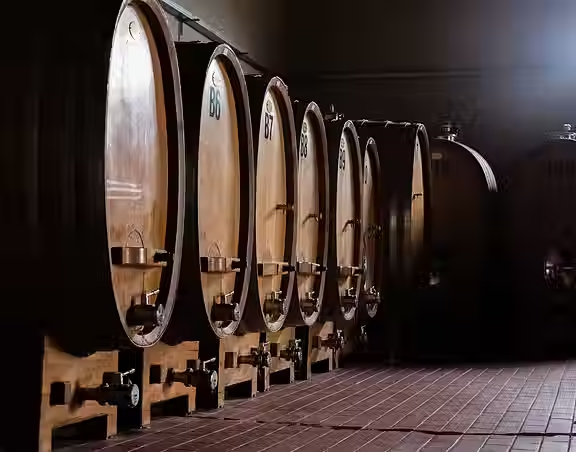
Materramenta Terceira wines are vinified onsite following the harvest of their just 2,5 Ha. This usually takes place at the end of August and once (hand-) selected, the grapes are de-stemmed and pneumatically pressed. After fermentation, approximately 30 % of the wines are aged in used French oak casks and for a period of seven months. Such micro-oxidation enhances both complexity and style. Blending decisions are made collectively before finally bottling.

In 2023, production levels stood at around four thousand bottles. The 2024 vintage dropped drastically to just two thousand bottles but in 2025, and now sourcing grapes from other producers (including DOC Pico and DOC Gracios), expectations lie at around seven thousand bottles for the same year. The grapes harvested on the other islands are vinified at their source of origin – vital for quality and to preserve the DOC classification. Sixty percent of Luis` wines are presently delivered to Michelin Star Restaurants, with intention to increase annual production to around 10.000 bottles.
Our Island-Hopping Terroir-Tasting provided a fascinating insight into how slight differences of climate, temperature and weather in general affect the style and characteristics of Azores wines. It might just be me, but I concluded - the older the island of source, the more “mature” the wine profile became…

WE TASTED
In 2024, the first Rosé produced with 50% Merlot and 50% Syrah from Pico Island, completed their until then, solely white Portfolio. A dry blend with smooth, well-integrated tannins, red fruity aromas and taste, peachy pink in the glass and rigid, almost salty acidity.
A great full-bodied mouthfeel and pleasant length.
A blend of Verdelho and Arinto dos Açores sourced from and vinified on Graciosa Island - both the smallest of the islands and the dryest DOC. Acidity is lower, fruit flavours are riper, also more exotic – with peach, pear and banana on nose and palate.
Again, a blend of Verdelho and Arinto dos Açores yet the higher humidity and slightly warmer Pico climate results in a distinctive style of wine. On Pico - the youngest of the islands - acidity feels more rigid yet still superbly balanced. The wine is enjoyably fresh with a salty mineral and citrus profile with a lingering finish.
A dry but this time more floral blend of Verdelho and Arinto dos Açores and produced in the Materramenta cellars on Terceira. Still strong in the citrus department, the yellow fruit enhanced by almond-blossom on the nose and a hint of marzipan on the palate.
This was without doubt, my Wine of the Day.

The Speed-Tasting with Beatriz (due to our new itinerary, not hers...) came complete with a delicious and beautifully presented selection of cheese, olives and other regional goodies, then rounded off with a “short” Materramenta Digestif. In addition to the regular tastings and tours, lunches and/or dinners can be organised, although the highlight must be the Materramenta Traditional Cooking Workshop – and available on demand.

RESPECT
Madeleine, Luis, and their team`s success is one born of passion, of conviction and of respect for not only those who walked before them, but for all accompanying their journey today.

A philosophy of – ▪ using as little human intervention as possible, the fusion of centuries-old winemaking methods and the advantage of modern-day techniques –▪upholding the Materramenta` Estate name and legacy in honour and memory of Biscoitos very first landowner – ▪ supporting and contributing to local economic stability through sometimes difficult, but socially responsible decision-making – ▪▪is securing and heightening recognition for the smallest demarcated area in the Azores - BISCOITOS.

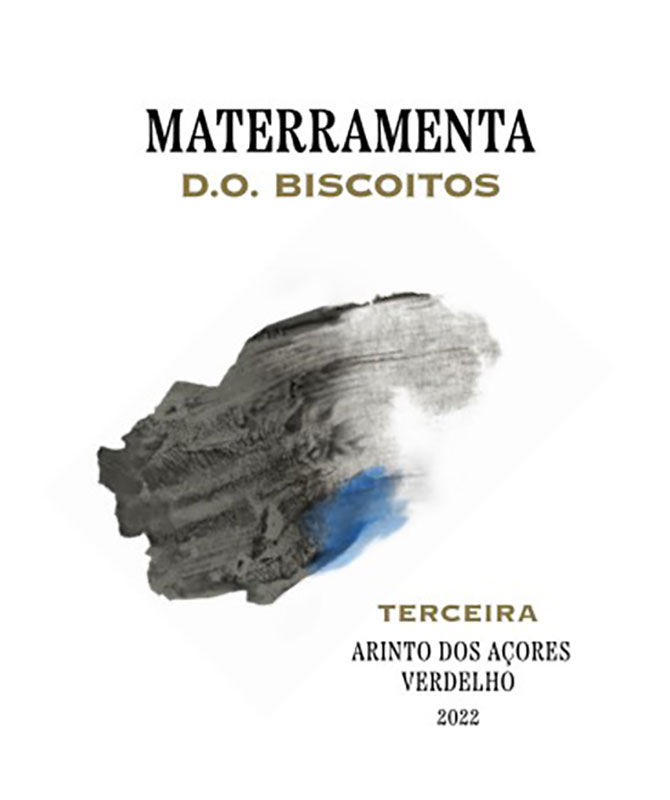
The Materramenta wine labels, inspired by the island’s black volcanic rock and the azure-blue of the salty ocean, serve as a symbol of resilience, for heritage and for the team`s continuous determination. My RESPECT to you all.
For more information, please contact Madeleine or Luis at:
Caminho do concelho 85C
9760-051 Biscoitos,
Terceira, Azores
Tel.: +351 912 248 400
E-Mail: materramenta@gmail.com

GOING SOUTH - in the nicest conceivable way
Having spent a day in transit on Faial Island, we arrived on São Miguel early evening to enjoy dinner in the historic old town of Ponta Delgada. Named after their speciality Beef Alcides, the Alcides Restaurant offers a relaxed and friendly atmosphere in which to dine – particularly if you`ve spent most of the day in an airport departure lounge.

Ponta Delgada - located on the south coast - is the capital city of São Miguel Island and where you will fly in to. An island with a lush green and fertile landscape in the lowlands, here, Agriculture is written with a capital A, cows outnumber inhabitants and in the North, you`ll find Europe`s oldest Tea Plantation: Chá Gorreana.

After a sound night`s sleep and a good breakfast at Hotel Camões - our homely and exceptionally friendly 4-star establishment in the heart of the city, where we were made very welcome, our Island-Hopping adventure continued.
PINEAPPLE PUNTERS
First stop - the Ponta Delgada Market - Mercado da Graça - where visitors will find everything from pineapples, freshly pressed pineapple juice, to more pineapples. Originally introduced to the island in 1832 for their ornamental value, in the 19th century pineapples overtook orange production as the most prominent crop.
The Market, erected on the grounds of the former Convento da Graça (Convent of the Gracianos) was donated to the Municipality back in 1845.
The nun`s must be turning in their graves with the noise and were certainly never so well stocked as it is today. A bustling hub of chatty producers, the market offers everything from fresh fruit and vegetables through to meat, fish, cheese, and flowers - not to mention pineapples - to all passers by.
▪ LESSONS LEARNT: to take a shopping bag to the market - maybe two...

GEOPEIGASENS DO GEOPARQUE AçORES
Now travelling with an Island-Expert, Hugo (TRILHOS DA NATUREZA) headed North-West, passing Muro das Nove Janelas (the Nine Window Wall) and part of the 17th century Aqueduct do Carvão, built to transport water from the lakes to the city of Ponta Delgada.

Circumnavigating Lagoa das Sete Cidades, the outline of Lagoa Azul (blue) and Lagoa Verde (green) emerged through the mist. The largest of nine lakes in total, they provide almost half of the island with fresh water. The two lakes are separated by a narrow strait (Canal das Sete Cidades) where a bridge provides a shortcut from one side to the other. The higher you climb, the denser the vegetation becomes, as may also be said for the fog.

The stretch of land between the Fogo and Sete Cidades volcanoes is known as the Picos Volcanic Complex. Eruptive volcanic activity around five thousand years ago resulted not only in the merger of the once separate landmasses, but gave birth to an unending carpet of scoria-cone-craters.


So where do all these volcanoes come from you may ask, and could they explode again soon? In theory yes. Deep beneath the ocean’s surface - directly below the Azores Islands - three major tectonic plates intersect (the Azores Triple Junction - American, European & African).
According to the experts, these three plates are drifting apart, which Hugo - our expert - confirmed. This means, the Islands are slowly moving apart if only by a few millimetres each year. São Miguel and Santa Maria are heading for Africa, the central group (Faial, Pico, Graciosa, São Jorge, and Terceira) for Europe and Flores and Corvo getting dangerously close to the USA.
Whether all the Islanders are aware of this fact, Hugo didn`t say, but should anyone consider island-swapping, let`s hope they choose wisely…
Crossing the Canal das Sete Cidades, we stopped for a quick coffee at Igreja de São Nicolau - a popular spot for tourists and busy even in February – to then make our way back across-country for a bite to eat.

MAGMA - MELTING MOMENTS
TRADITION & NATURE
Beyond the sliding glass doors of a plain façade, a “haven for tireless travellers “and a world of its own enfolds before you. Once an 18th century orange farm, the Senhora da Rosa Estate has been transformed into an elegant retreat, both inside and out.

TURQUOISE
The colour turquoise: a symbol of peace and inner calm – is prominent throughout the premises. A tangible balance of relaxing Azur blue serenity and uplifting green energy - in the foyer, the bar, the restaurant, fixtures and fittings.

A light and airy atmosphere runs like silken thread through the corridors, leading to an expanse of tropical gardens, a relaxing swimming-pool, a hot water plunge pool in the pineapple (!!) greenhouse and a Musgo Spa for mind, body and soul replenishment.

Senhora da Rosa has a total of thirty-five rooms - from standard single, through to deluxe double. Perfectly balanced décor combines the Island`s past with modern contemporary and should I ever have the pleasure of staying here, I would choose one of their Tranquility Garden Lodges.

Set in jungle-like woodland, each of the wooden "cafuões" (translates to coffin for some reason) house two guests and are perfect for a romantic weekend. Total immersion in nature - amidst giant banana plants. With an open-air shower and bathtub, a private secluded terrace, the lodges are fully equipped with a coffee machine, minibar, air-conditioning, Wi-Fi and a fly swat. Admittedly, I already see myself spending a book-writing break here.
▪ LESSONS LEARNT: invest in a Piggy-Bank and start saving...

In addition to an Asian-inspired Menu in the Mirante Rooftop Bar, Senhora da Rosa offers traditional and modern cuisine in their Magma Restaurant on the ground floor.

Getting our priorities right, the first thing on the menu was a bottle of Magma - Verdelho Acores IG 2023 from Terceira and enjoyed with our meal. A mineral dry white, signed by winemakers Diogo Fonseca Lopes and Anselmo Mendes - an incredibly good choice. Bright golden yellow in the glass with steely minerality on both nose and palate. Fresh, acidity driven and an excellent white for food-pairing, particularly with fish.

Lunch was kindly organised in advance and had we been Vegan, the Menu offers sufficient possibilities. Second on the menu - a tasty bowl of Sopa de peixe dos Açores (Azorean Fish Soup – although it may have been Granny`s recipe – as it also contained pork), overflowing with tomatoes, onions, garlic and Peixe-gatilho (Trigger fish).

Chef Vânia`s choice of vegetables (sweet potatoes, zucchini, carrots, and spinach) harmonised well with Bife do lombo à regional (Sirloin Steak) on its savoury Jus - seasoned and prepared to a tee. Upholding our already established tradition from the previous day, we politely accepted dessert. A wise but obviously difficult decision, as you can imagine ;-).

O nosso bolo de chocolate com caramelo salgado e gelado de baunilha – is a soft sticky chocolate cake drizzled with salted caramel, topped with a biscuit crunch (a bit like a crumble) and served with a scoop of vanilla ice cream. The crowning glory to a lovely lunch and with the bottle empty, it was time to move on …

Our thanks to the whole team at Senhora da Rosa. Particularly to Chefs Vânia and Ana and to Guest Experience Manager Joana Raposo, for taking the time to show us around.
We thoroughly enjoyed ourselves!
For more information, please contact:
Rua Senhora da Rosa 3
9500-450 Ponta Delga São Miguel Island
Azores Tel.: +351 296 100 900
E-Mail: sales@senhoradarosa.com
HERE COMES THE SUN…
To be fair, the sun did shine during our visit, but mainly on the coast. This shouldn`t though, put you off in the slightest – whatever the season. As previously mentioned, the higher you climb, the more likely you are to encounter a blanket of low cloud.

Shortly after lunch we arrived – with Hugo still in tow – or rather vice-versa - at the island`s highest crater and youngest volcano: Lagoa do Fogo. Convinced I was mastering the lingo; I truly thought the lake lived up to its name - to then realise - Fogo means Fire, and not Fog. The name - Lake of Fire - refers to the last fiery eruption in 1563 but not what we saw at the summit.

On a brighter day, the views up here are breathtaking with plenty of trails leading down to the lake itself. Sadly, having fought your way through the undergrowth like Indiana Jones, once there, swimming is forbidden (reminds me a bit of SCHWIMMEN VERBOTEN!!! in Germany). Although it`s apparently quite a hike, there is a beautiful route to the lake from the coast - beginning at Água d’Alto beach. From there you pass the Cascata do Segredo waterfall and a lagoon – for a cooling dip - before reaching Lake Fogo - to look at the water - sorry - admire the scenery ;-).
▪ LESSON LEARNT: leave your rubber swim shoes at home, but do save the SpotAzores live Webcam link. It`ll come in handy when planning your daily adventures, following fog or low cloud - and according to Hugo, is pretty reliable.

TIME FOR A CUPPA
Most fields on the island lowlands - be they for grazing or for grain (as animal fodder), have stone-walled, Hydrangea or Bamboo borders. As is the case with the vineyards, these serve as windbreaks for both crops and cattle. Although Bamboo is normally considered invasive, even more of a bugger (pardon my french) is the Himalayan Kahili Ginger (Hedychium gardnerianum).

Also known as the Yellow Ginger Lily, this plant has taken root all over the island posing a huge threat to Azorean Biodiversity. Despite its`meddlesome growth, it does bear wonderfully tall, yellow and fragrant blumes in the summer, a similar yellow in fact, to the stamens of Camellia sinensis - the Tea-Plant.

CHá GORREANA

The Gorreana Tea Factory in Maia produces approximately thirty-three tons of organically grown black and green tea per year.
Tea cultivation began as far back as 1883, and should you visit the Museum as we did, you`ll see that the equipment - still in use today - was born of the exact same Era.
Most of the machinery - imported years ago from abroad – comes from Gainsborough – England, Calcutta – India and somewhere (with a questionable Logo) in Sweden.
The Sirocco Tea Sorter for example, was invented and produced by Samuel Davidson in his 1881 established Sirocco Works in Belfast, Ireland and patented in 1869.
The Tea season begins in March and April and ends in September. During this time, the young lime-green shoots are carefully harvested, then processed onsite.


Once harvested, the tea leaves are spread on withering trays. Moisture evaporates and the leaves soften in preparation for rolling.
The rolling machines date back to the mid-20th century and are powered by an electric motor dated 1926! The Rolling process is vital for breaking down cell structure, releasing essential oils. Soon after that, oxidation sets in.
Carefully monitored exposure to air (controlled oxidation) is fundamental for flavour consistency, also for colour. The Gainsborough Marshall drying machines have been in use for over a century. This is an essential phase, removing any remaining moisture before storage.
The Factory and Museum are open to the public, include a Tea- and a Gift-Shop and are well worth a visit, if only for a cuppa.
9625-304 Maia
São Miguel – Azores
Tel.: +351 296 442 349
E-Mail: gorreanazores@gmail.com


FLAMING PINEAPPLES
Our third and final evening on the islands was spent - rather windswept - at Herdade do Ananas - island specialists and cultivators of The King of all Fruit - The Pineapple! Finally, we would taste the real thing.

Herdade do Ananas is not only a hotel, but one surrounded by greenhouses, landscaped gardens with palm trees housing an excellent restaurant: RÚSTICO

Despite the interesting sounding Pineapple Wine-Tasting available, we`d sworn an oath: should we never set foot on Pico Island, then we at least must try one of the wines - and this was our last opportunity!

VERDELHO D.O. PICO 2022: winemaker Bernardo Cabral really went to town with this one. A single varietal Verdelho and dry, crisp white with a citrus and mineral profile through and through. Elegant, well balanced acidity and perfect for fish. We chose a selection from the menu, including sautéed clams, pan-fried breaded chicken, fresh salad with orange and croutons and to finish.....you`ll never guess...

FLAMING PINEAPPLE!


Fresh pineapple caramelised with enough cognac to sink the Titanic - au Flambé. Although a highly impressive performance, I personally would have been content with less Cognac, but more caramel.
All in all, the evening was a worthy Finale to our interesting travels. A massive thankyou to you Hugo, for looking after us so well, for your charming manner and for sharing your knowledge.
For more information please contact:
Canada dos Prestes de Cima 21
São Roque Ponta Delgada 9500-450
Tel.: +351 919 293 000
E-Mail: herdadedoananas@gmail.com

Congratulations if you have read this far. Just a small summary of our three-day Wine & Travel Week Pre-Tour 2026 to the Azores Islands. I trust it serves as an appetiser for others and an incentive to explore yourselves. Visit Azores are on standby and happy to assist.
▪ LESSONS LEARNT: Pro Island min. 3 days stay X 9 = book 27 days holiday!
Many thanks again, to everyone who made this trip possible.
Gail Treuer
February 2026